


-

Add: HeBei ShengShi HongBang Cellulose Technology CO.,LTD.
-

Email
13180486930@163.com -

CONTACT US
+86 13180486930



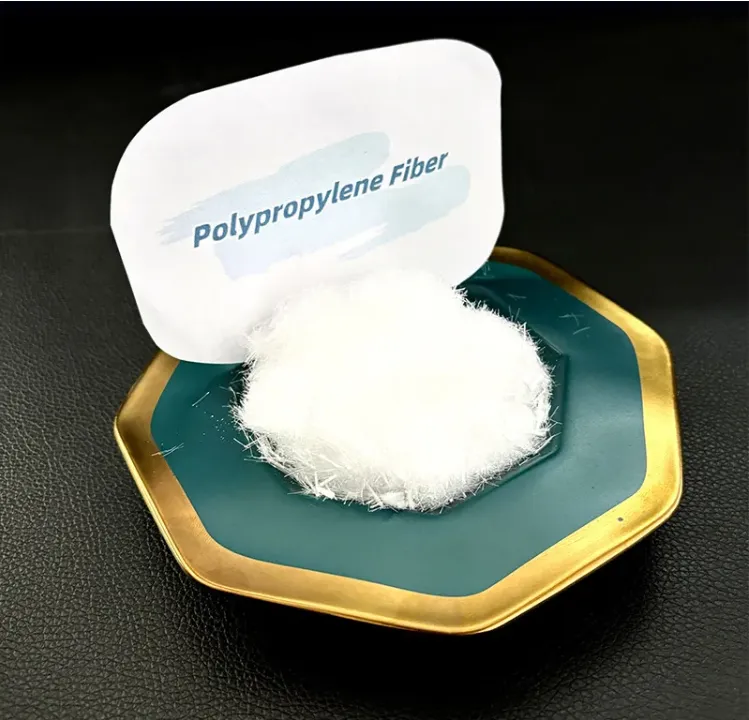


The Growing Importance of PP Fiber Concrete in Modern Construction In the ever-evolving landscape of construction materials, polypropylene (PP) fiber concrete has emerged as a noteworthy innovation that enhances the performance of traditional concrete. This article explores the significance of PP fiber concrete, its properties, applications, and the benefits it brings to modern construction. Understanding PP Fiber Concrete PP fiber concrete is a composite material that incorporates polypropylene fibers into traditional concrete mix. These fibers, typically ranging from 0.5 to 1.5 inches in length, are designed to improve the structural integrity of the concrete. They act as reinforcement, providing a secondary layer of strength that helps to mitigate various forms of damage that can occur during curing and throughout the life of the structure. Key Properties of PP Fiber Concrete One of the most notable properties of PP fiber concrete is its ability to reduce plastic shrinkage cracking. During the curing process, traditional concrete is susceptible to environmental factors such as temperature fluctuations and evaporation of moisture, which can lead to stress and cracks. The integration of polypropylene fibers helps to control these cracks by providing a linking mechanism, which allows stress to be distributed more evenly throughout the concrete. In addition to crack resistance, PP fiber concrete also offers enhanced toughness and impact resistance. The fibers absorb and dissipate energy when forces are applied, making it suitable for applications where durability is paramount. Moreover, the use of PP fibers improves the concrete's resistance to freeze-thaw cycles, making it an ideal choice for structures exposed to varying climatic conditions. Applications of PP Fiber Concrete The versatility of PP fiber concrete lends itself to a wide range of applications across various sectors of the construction industry. It is commonly used in - Industrial Flooring Due to its high durability and resistance to impact, PP fiber concrete is often utilized for industrial flooring where heavy machinery operates. The fibers help to maintain the structural integrity even under heavy loads. pp fiber kongkreto - Pavements and Roads The use of PP fiber in pavement designs has shown to improve the longevity of roads and pavements. It helps reduce wear and tear caused by traffic, leading to lower maintenance costs over time. - Precast Elements In the production of precast concrete components such as walls, beams, and slabs, incorporating PP fibers can enhance performance and reduce the risk of cracking during casting and transportation. - Water Retaining Structures PP fiber concrete is also beneficial in the construction of water tanks and reservoirs, as it minimizes the risk of leakage that can arise from cracking. Benefits of Using PP Fiber Concrete The adoption of PP fiber concrete presents multiple advantages beyond enhanced performance. Firstly, it can lead to significant cost savings over the life cycle of a structure. By reducing the incidence of cracking and the need for repairs, construction companies can optimize their budgets and allocate resources more efficiently. Secondly, the use of PP fibers can contribute to more sustainable construction practices. A lower incidence of repair and maintenance means that materials are conserved, and waste is minimized, aligning with environmentally friendly building standards. Lastly, the integration of PP fibers into concrete mixes is straightforward and does not require specialized equipment. This ease of incorporation allows for its adoption in various construction scenarios without significant changes to existing processes. Conclusion As the construction industry continues to face challenges related to durability, sustainability, and cost efficiency, the emergence of materials like PP fiber concrete represents a significant advancement. Its ability to enhance concrete's performance while providing practical solutions for modern construction needs positions it as a valuable asset in the quest for more resilient infrastructure. With the ongoing research and development in this field, PP fiber concrete is set to play a crucial role in shaping the future of construction.
- 40000tons

Production
- 20+years

Experience
- 5000+㎡

Acreage

-
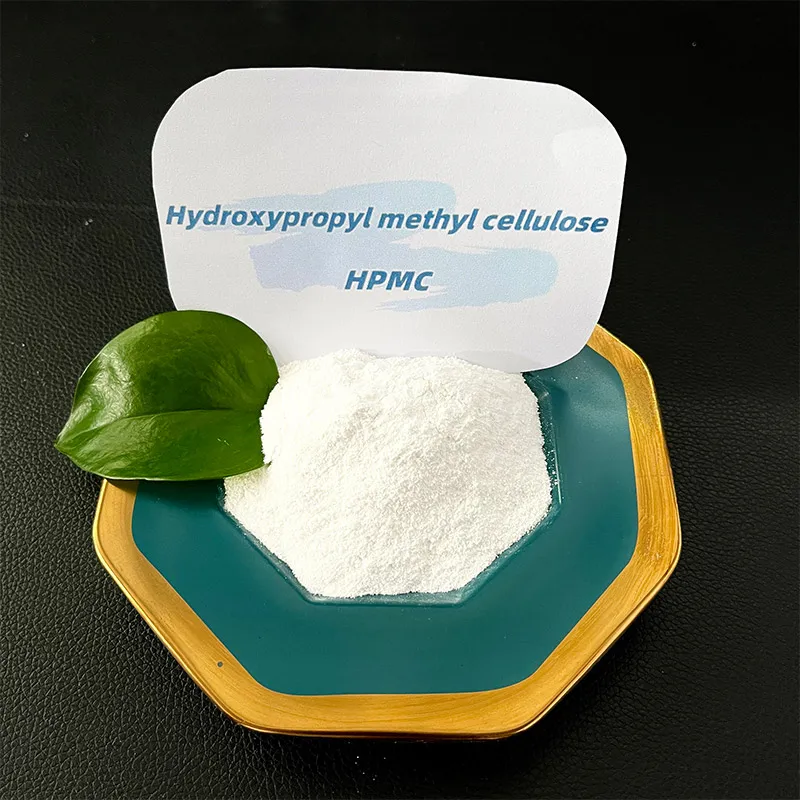
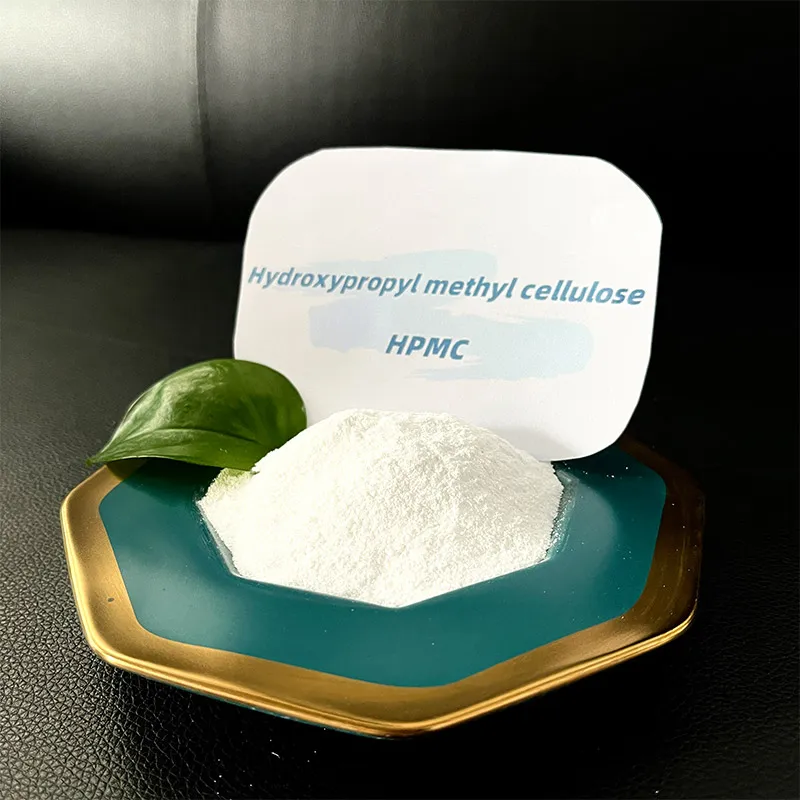
The Versatile Uses of Hydroxypropyl Methylcellulose Hydroxypropyl methylcellulose (HPMC) is a synthetic polymer derived from cellulose, a natural polymer found in the cell walls of plants. As a non-ionic, water-soluble substance, HPMC exhibits a range of properties that make it valuable across various industries, including pharmaceuticals, food, construction, and cosmetics . This article explores the diverse uses of hydroxypropyl methylcellulose and its significance in modern applications. Pharmaceutical Applications In the pharmaceutical industry, HPMC is primarily used as a thickening agent, binder, and film-forming agent in tablet formulations. Its ability to form gels when mixed with water makes it ideal for creating controlled-release drug formulations. This property is particularly beneficial for medications that require a gradual release of active ingredients over an extended period, enhancing therapeutic effects while minimizing side effects. HPMC is also widely used in ophthalmic preparations. Eye drops, gels, and ointments formulated with HPMC provide moisture retention and lubricating effects, which are essential for treating dry eye conditions and ensuring comfort in contact lens wearers. Additionally, HPMC assists in stabilizing emulsions and suspensions, ensuring consistent dosage delivery. Food Industry Applications The food industry reaps the benefits of HPMC for its thickening, emulsifying, and gelling properties. It is commonly used in low-fat and gluten-free products as a fat replacer and to improve texture and mouthfeel. HPMC enhances the consistency of sauces, dressings, and gravies, providing a desirable viscosity without adding extra calories. Moreover, it acts as a stabilizer in various food products, helping to maintain emulsions, thereby improving shelf life and product stability. In the realm of baking, HPMC is utilized as a gluten substitute, allowing manufacturers to create gluten-free baked goods that retain a similar texture to their gluten-containing counterparts. This is particularly important for individuals with celiac disease or gluten sensitivities, offering them safe and enjoyable food options. uses of hydroxypropyl methylcellulose Construction Industry Applications In construction, HPMC is an essential additive in cementitious materials, such as mortar and plaster, improving workability and reducing water usage. Its adhesive properties enhance the bonding of materials, making it an excellent choice for tiling adhesives and joint compounds. Furthermore, HPMC helps to improve the open time of these products, allowing for more precise application and adjustment during construction processes. As a water-retaining agent, HPMC contributes to the prevention of cracking and shrinkage in concrete. This is especially vital in hot and windy conditions, where rapid evaporation of water can compromise the integrity of concrete structures. By ensuring optimal moisture retention, HPMC promotes stronger and more durable construction materials. Cosmetic Applications In the cosmetics industry, HPMC serves as a thickening agent and stabilizer in various formulations, including lotions, creams, and gels. Its ability to retain moisture makes it a popular choice for skin care products, promoting hydration and improving the overall texture of the product. HPMC is also used in hair care products, where it functions as a conditioning agent, enhancing the manageability and shine of hair. Additionally, HPMC's film-forming properties make it suitable for use in color cosmetics, such as foundations and mascaras, helping to create a smooth, even application. Its non-ionic nature also reduces the risk of skin irritation, making it a safe option for sensitive skin types. Conclusion The versatility of hydroxypropyl methylcellulose makes it a valuable ingredient across multiple industries. From its critical role in pharmaceuticals and food products to its applications in construction and cosmetics, HPMC demonstrates a unique ability to enhance product performance and consumer satisfaction. As research continues to explore new applications and formulations, HPMC's significance in industrial and everyday products is likely to grow, underscoring the importance of this multifunctional polymer in modern society.
-
Heat-resistant synthetic fibers have emerged as a game-changer in a variety of industries, from textiles to aerospace. These advanced materials are engineered to withstand high temperatures while maintaining their structural integrity, making them indispensable in contexts where heat resistance is paramount. As someone who has delved deeply into the properties and applications of these fibers, I can attest to their transformative impact across multiple fields. One of the most compelling applications of heat-resistant synthetic fibers is in the development of protective clothing. Firefighters, for example, require gear that can endure extreme heat and flames; these fibers provide that essential level of protection. Unlike natural fibers, which can ignite or melt easily, heat-resistant synthetics such as aramid fibers offer superior flame resistance. This expertise in textile engineering ensures that protective garments function effectively even under the most challenging conditions, enhancing the safety and performance of first responders. Moreover, heat-resistant synthetic fibers have become crucial in automotive and aerospace industries, where the integrity of materials at high temperatures is crucial for safety and performance. In the automotive sector, these fibers are used in components such as turbochargers and under-the-hood applications, where they contribute to durability and efficiency. The reliability and longevity of these materials under continuous thermal stress demonstrate the high level of expertise embedded in their design and production. heat resistant synthetic fiber The aerospace industry leverages these fibers for similar reasons, but with even more demanding requirements. Aircraft must deal with significant temperature fluctuations and potential exposure to high heat during flight and re-entry. Synthetic fibers such as those made from polyimide are used to construct heat shields, insulating the craft and protecting both the vehicle and its occupants. The authoritative research and development in this field underscore the fibers' capacity to meet rigorous aerospace standards. Beyond these large-scale industrial applications, heat-resistant synthetic fibers are also increasingly used in consumer goods. In the realm of home appliances, for instance, manufacturers are integrating these fibers into products to improve safety and functionality. Oven mitts, ironing board covers, and even certain types of cookware benefit from the non-flammable, resilient nature of these fibers, providing consumers with peace of mind in everyday use. This blend of practicality and safety highlights the trustworthiness of these materials when incorporated into products with daily exposure to heat. In conclusion, the advancing technology behind heat-resistant synthetic fibers exemplifies modern industrial prowess . Their application spans across areas that require strict adherence to thermal management, offering invaluable solutions where traditional materials fall short. This synthesis of experience, expertise, authority, and trustworthiness in developing and applying these fibers ensures that they will continue to be at the forefront of innovation. As industries continue to demand materials that can perform under extreme conditions without compromising on safety or efficacy, heat-resistant synthetic fibers will undoubtedly maintain their critical role, propelling further advancements and inspiring new applications that meet the needs of both sectors and consumers alike.
advantages
-

200000 Viscosities
Excellent product
We can produce pure products up to 200,000 viscosities
-

40000 tons
High yield
We don’t stop production all year round, and the annual output can reach 40,000 tons
-

24 hours
Quality service
We provide 24-hours online reception service, welcome to consult at any time
———— Inquiry Form
Schedule A services
-
 polypropylene_staple_fiber_for_mortar
Oct . 25, 2025
Hydroxypropyl starch phosphate is an increasingly popular ingredient in skincare products , and for -
 serat_tumpukan_polipropilen
Oct . 25, 2025
Exploring the molecular weight of hydroxypropyl methylcellulose (HPMC) unveils a nuanced aspect ofte -
 hpmc_e15
Oct . 25, 2025
Hydroxypropyl methylcellulose, popularly branded as HPMC Methocel, is an indispensable additive in v


